
Case studies demonstrating how DIXIN helps international brands translate creative designs into safe, audit-ready plush toys with stable mass production.
How DIXIN translates a customer's creative intent into a manufacturable plush structure without losing the character's original appearance.
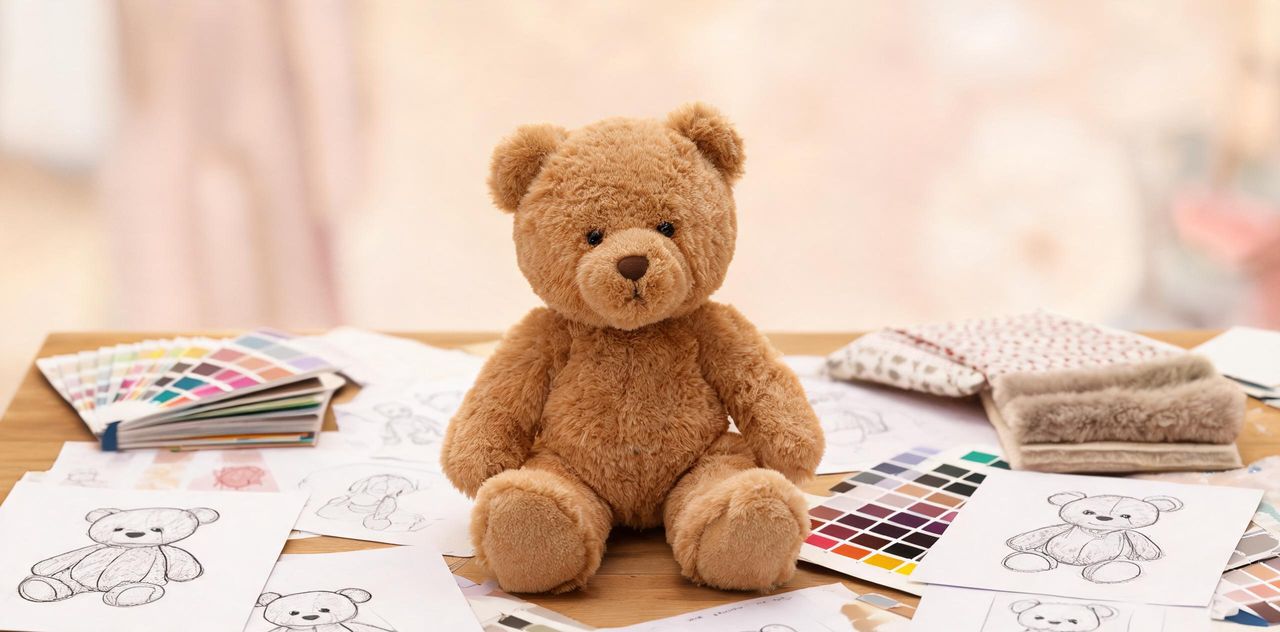
The customer came to DIXIN with a character concept but limited visual references.
The artwork clearly communicated the character's identity, but important production details — including side proportions, back structure, facial construction and certain dimensional relationships — were not fully defined.
The challenge was not simply to make a sample. It was to translate the customer's creative intent into a manufacturable plush structure without losing the character's original appearance.
Our development team first reviewed the available artwork and identified the key visual elements that had to remain unchanged. We then worked through:
Instead of treating sampling as a simple sewing process, the project was approached as a design-to-manufacturing engineering process. The customer received a production-ready sample that provided a clear reference for subsequent manufacturing. The development process also established a defined product structure, material specification and construction method for mass production.
A creative concept was transformed into a repeatable manufacturing solution.
Solving safety risks without changing the character — strengthening the product where the highest mechanical stress occurs.
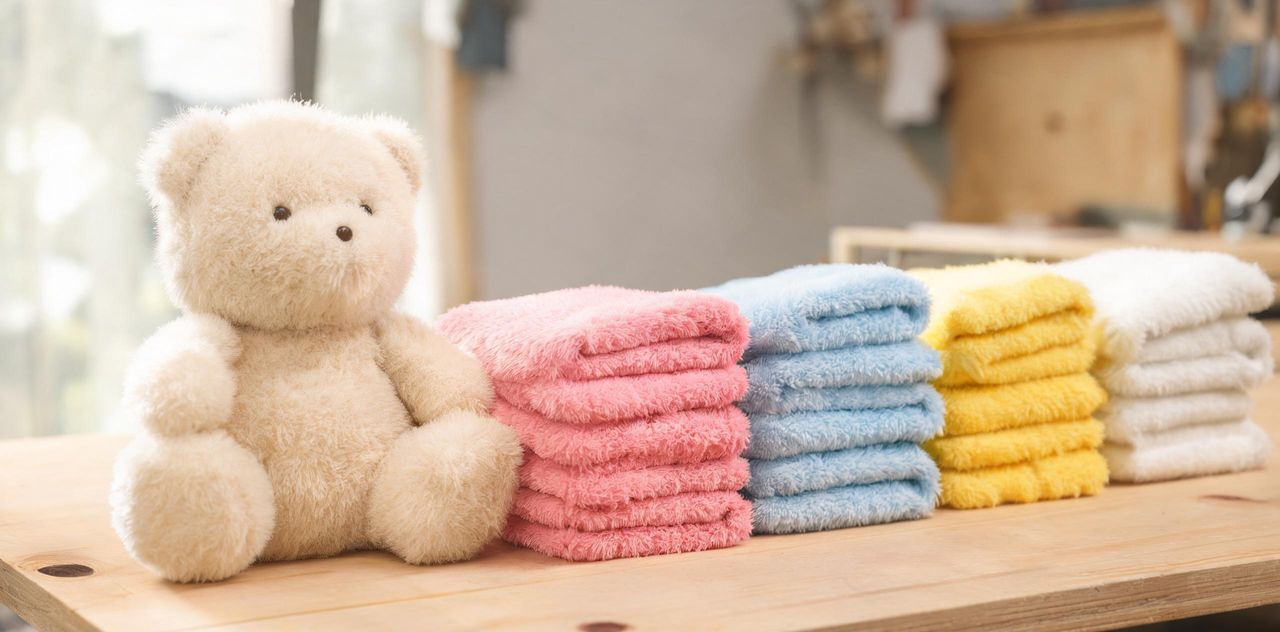
A European licensing partner required a plush product featuring a large detachable accessory and heavy embroidery density.
Both characteristics increased the risk of failure during physical and mechanical safety testing. The customer needed to maintain the original character design while ensuring that the product could meet the requirements of EN71 and ASTM F963.
Instead of simplifying the character, the engineering approach focused on strengthening the product at the points where the highest mechanical stress occurred.
The target pull strength was ≥70N.
Reinforced with double-layer backing fabric, cross-direction seam stitching, 4 reinforced bartack positions and increased thread density from 3 mm to 2.5 mm.
Testing across three prototypes achieved 78–82N pull strength.
The original accessory configuration failed a 90N torque test.
The components were therefore replaced with EN71/ASTM-certified alternatives from approved suppliers. The locking structure was also reviewed to improve resistance to rotational stress.
Additional reinforcement was applied to the neck, shoulder, lower belly and accessory connection points.
Following reinforcement, measured tear strength improved by 24%.
The construction was further adjusted through short-pile plush selection, reduced fiber-shedding risk, optimized embroidery junctions, adjusted thread thickness and improved structural tension.
Importantly, the original character appearance was maintained.
The customer did not have to sacrifice the original character design in order to address safety risks. The project demonstrated how structural engineering, component selection and manufacturing controls work together to solve a compliance problem before it becomes a production problem.
Organizing the production system around the customer’s deadline instead of simply adding workers.
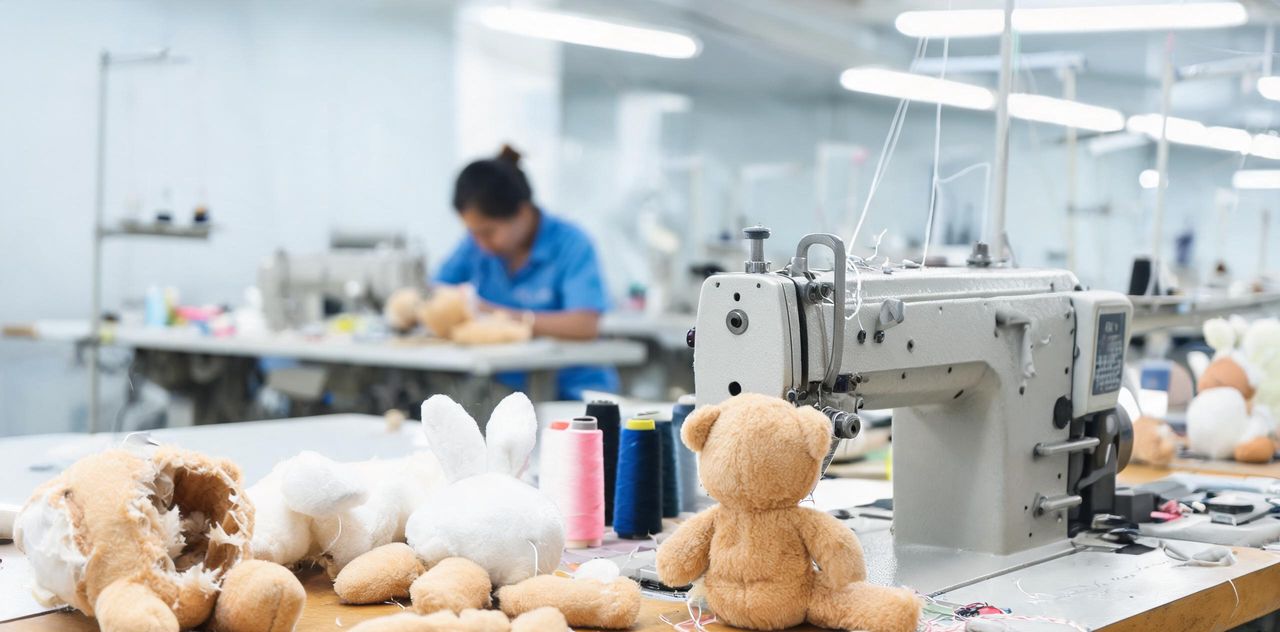
A customer was preparing a seasonal plush collection with multiple SKUs.
Different characters required different embroidery, sewing structures, accessories and finishing processes.
The challenge was not simply production volume. The real challenge was: how do you keep multiple SKUs moving at the same time without losing consistency or missing the launch date?
DIXIN broke the project into several controllable production stages. Before production started, the team reviewed:
Production resources were then allocated according to the complexity of each SKU. Quality control was incorporated into the production flow rather than waiting until the end of production.
Material → Cutting → Embroidery → Sewing → Filling → Assembly → Final Inspection → Packing. This allowed production and quality teams to identify issues earlier and reduce downstream rework.
The customer moved from approved samples into coordinated multi-SKU production while maintaining consistent product specifications across the collection.
One coordinated production program instead of multiple disconnected SKU orders — proving that the key to fast delivery is organizing the production system around the customer’s deadline.
Shape retention engineering that keeps plush products looking right when they arrive at destination.
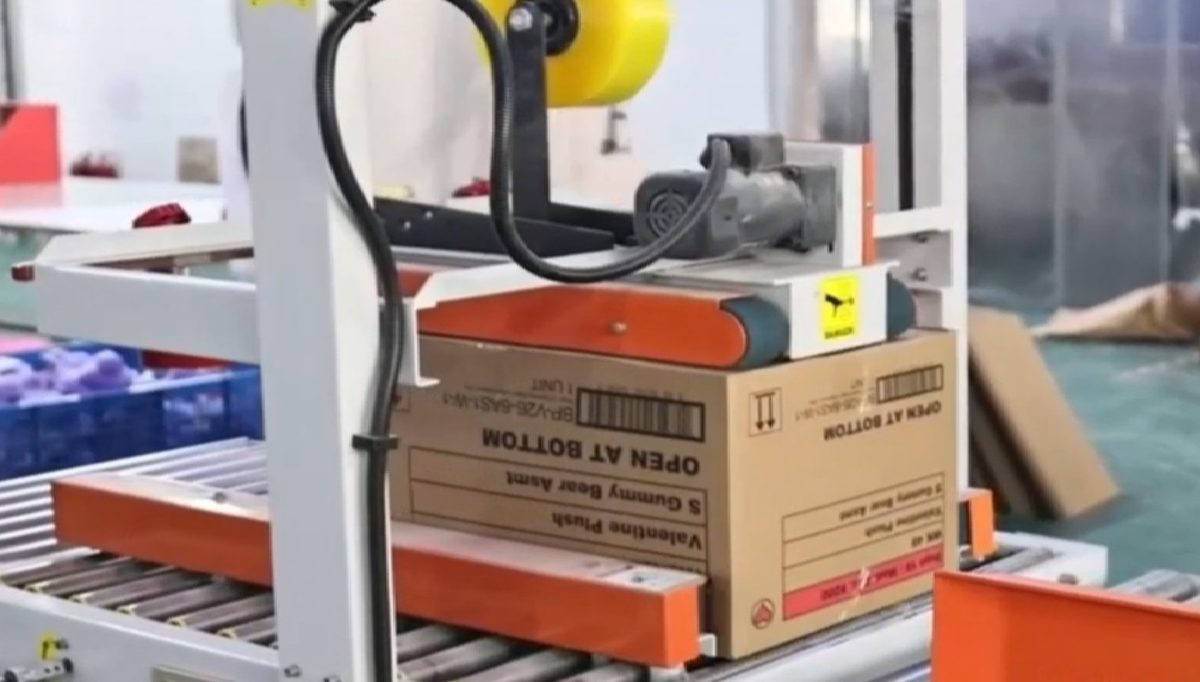
A customer reported that plush products arrived at destination with visible shape changes after long-distance transportation.
The products had passed production inspection, but the issue appeared after transportation. Certain areas became compressed, while the overall shape and presentation of the plush changed during shipment.
The problem therefore could not be solved simply by improving sewing quality.
DIXIN approached the issue from both the product structure and the packing method. The team reviewed:
The packing method was then adjusted according to the actual product structure. Where necessary, additional internal protection and structural support were introduced to protect critical areas during transportation.
The revised packing configuration improved product shape retention during transportation and reduced the risk of products arriving at the customer in a condition different from the approved sample.
The responsibility did not stop when the product left the production line. DIXIN helped manage the product all the way from factory production to final delivery.
Send us your drawings, SKU list or shipping concerns. Our engineering team will outline a development and production plan within 24 hours.
